
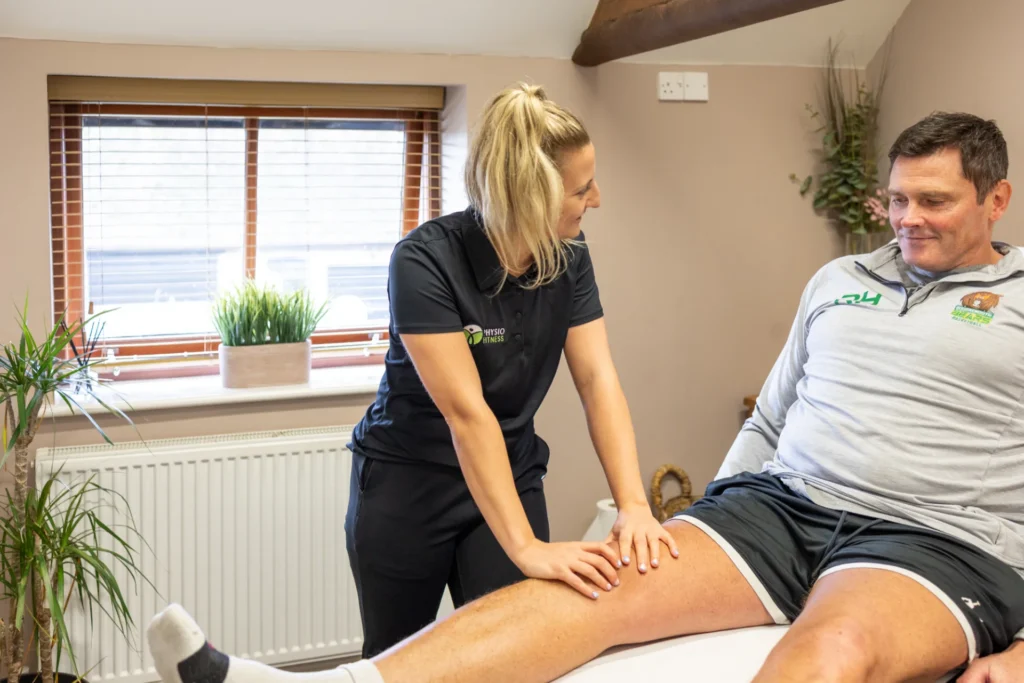
Relieve nerve pain.
Restore movement.
Get back to living comfortably.
Sciatica can be one of the most disruptive types of pain, often travelling from the lower back down into the leg and making everyday movement uncomfortable.
At Physio Fitness, we focus on identifying the source of nerve irritation and creating a structured plan to reduce pain, restore movement, and help you return to normal activity with confidence.
Whether your symptoms are recent or ongoing, the goal is to address the cause and support long-term recovery.
What Is sciatica?
Sciatica refers to irritation or compression of the sciatic nerve, which runs from the lower back through the hips and down each leg.
When this nerve becomes irritated, it can cause pain, tingling, or weakness along its pathway.
Sciatica is not a condition in itself, but a symptom of an underlying issue that needs to be identified and treated appropriately.
What causes sciatica?
Sciatica can develop for several reasons, most commonly involving structures in the lower back.
These may include:
- Disc bulges or herniation
- Joint irritation in the spine
- Muscle tightness affecting the nerve
- Spinal degeneration or arthritis
- Prolonged sitting or poor movement patterns
A detailed assessment is essential to determine the exact cause in your case.
Symptoms of sciatica
Sciatica symptoms can vary depending on the severity and cause.
You may experience:
- Pain travelling from the lower back into the buttock and leg
- Tingling or pins and needles in the leg or foot
- Numbness or reduced sensation
- Weakness in the leg
- Pain that worsens with sitting or bending
Symptoms can affect one side of the body and may range from mild to severe.
When should you seek treatment?
You should consider treatment if:
- Pain is persistent or worsening
- Symptoms are affecting mobility or daily activity
- You are experiencing numbness or weakness
- Pain is not improving with rest or basic self-care
- Early treatment can help prevent symptoms from becoming more severe or prolonged.
How we treat sciatica at Physio Fitness
Accurate Diagnosis
Your first session focuses on identifying the source of nerve irritation.
We assess your movement, symptoms, and history to determine what is driving your sciatica.
If needed, ultrasound scans may be used to support diagnosis.
Hands-On Treatment
Treatment may involve:
- Physiotherapy to reduce pain and improve movement
- Sports massage to release tight muscles affecting the nerve
- Chiropractic care or osteopathy to improve spinal mobility
- Each approach is tailored to your specific condition.
Targeted Rehabilitation
Long-term improvement depends on addressing the underlying cause.
This may include:
- Strengthening the muscles supporting your spine
- Improving movement patterns
- Reducing pressure on the nerve
- Functional rehab is often a key part of this process.
Why choose Physio Fitness for sciatica treatment in Bournemouth?
- Individualised Care
Your treatment plan is built around your symptoms, your lifestyle, and your goals. - Multidisciplinary Approach
You may benefit from input across physiotherapy, sports therapy, osteopathy, or chiropractic care. - Clear Explanations
You will understand what is causing your symptoms and how to improve them. - Focus on Long-Term Recovery
We aim to reduce pain while also addressing the root cause to prevent recurrence. - Experienced Clinical Leadership
Led by Consultant Physiotherapist Dave Mott, the clinic brings together experience, expertise, and a practical approach to recovery.
Sciatica treatment in Bournemouth, Dorset
You will find Physio Fitness located at:
Swallow Barn
Parley Green Lane
BH23 6BB
Our clinic is easily accessible from Bournemouth and across Dorset, with free on-site parking and a calm, private setting.
Your questions, answered.
Will sciatica go away on its own?
Some cases improve over time, but many require targeted treatment to fully resolve and prevent recurrence.
Is sciatica caused by a slipped disc?
A disc issue can be one cause, but sciatica can also result from joint irritation or muscle-related factors.
Should I rest with sciatica?
Prolonged rest is not usually recommended. Gentle movement and the right treatment approach are more effective.
How long does recovery take?
Recovery time varies depending on the cause and severity, but most people improve with the right plan.
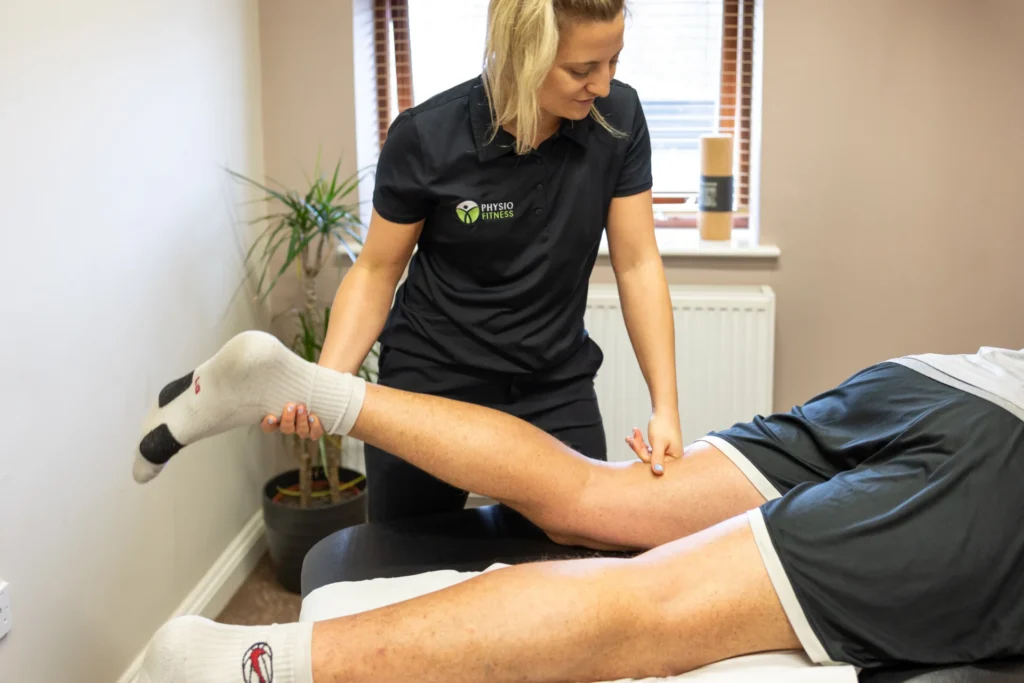
Take the first step towards relief from sciatica
If nerve pain is affecting how you move, sit, or live day to day, the first step is understanding what is causing it.
With expert assessment and a structured treatment plan, you can reduce pain, restore movement, and return to normal activity with confidence.